
5 Answers: Fever in Children When to Worry
Fever in children is generally a temperature of 100.4°F (38°C) or higher and is often a helpful sign that the body is fighting an infection. Most fevers can be managed with fluids, rest, and comfort care, but call a pediatrician for any temperature of 100.4°F or higher in a baby younger than 3 months, and seek emergency care for severe symptoms.
What counts as a fever in children?
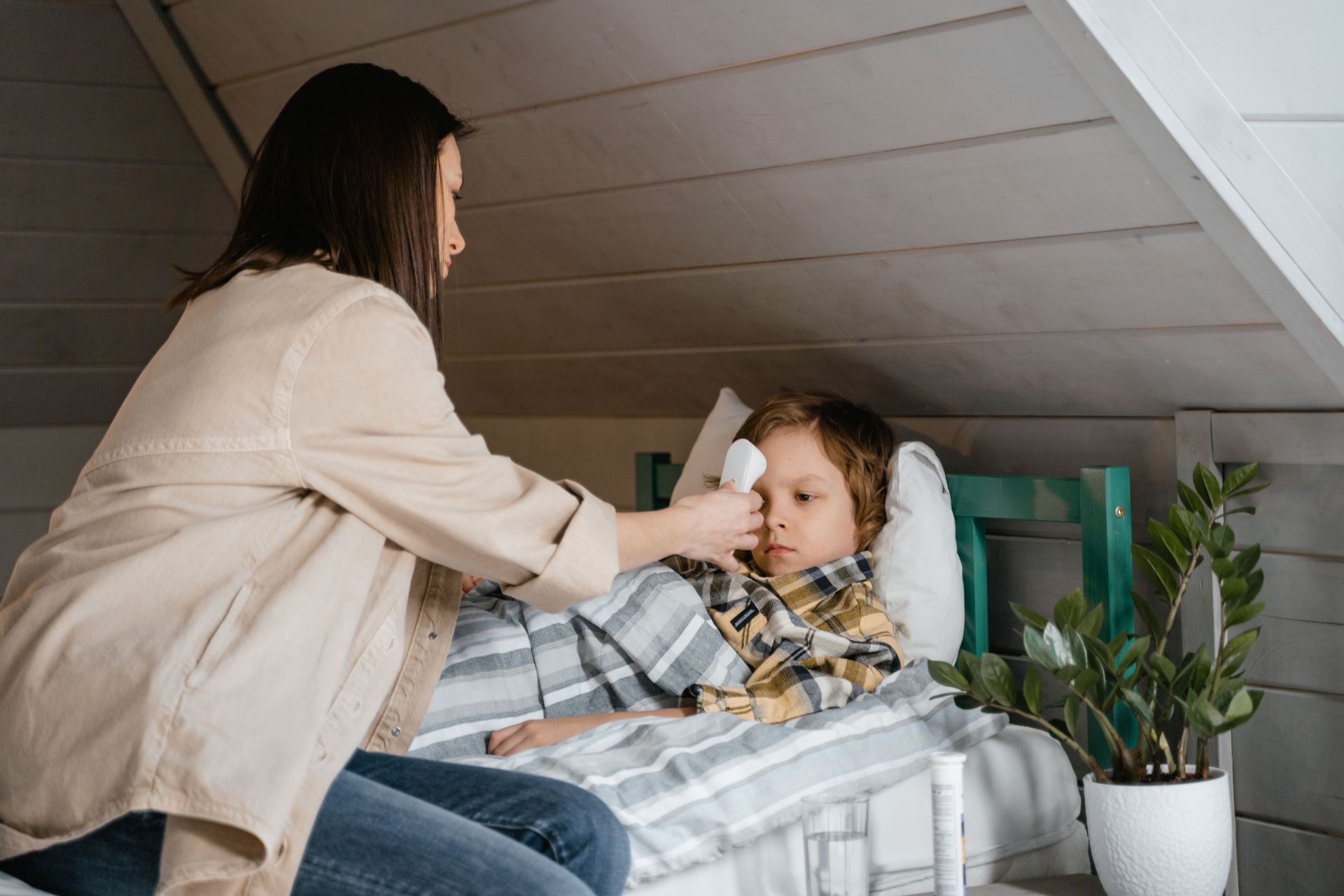
A fever is usually defined as a body temperature of 100.4°F (38°C) or higher . A child’s temperature may vary depending on the time of day, activity, clothing, and how it is measured. If your child feels warm, use a reliable thermometer and record the temperature, time, and method of measurement.
The number is only one part of the picture. Also consider your child’s age, behavior, breathing, hydration, and other symptoms. A child who is alert, drinking fluids, and resting comfortably may need observation and supportive care. A child who appears seriously ill needs prompt medical attention, even if the temperature is not extremely high.
For additional guidance about illness, visit our Sick Child Visits page or use the Is Your Child Sick?® resource.
Why does a fever help fight infection?
Fever is part of the body’s natural immune response. Raising body temperature can make the environment less comfortable for some germs while supporting the body’s efforts to fight infection. In that sense, fever is a symptom—not usually the illness itself.
The goal of care is not always to make the thermometer show a normal number. The goal is to help your child rest, drink, and remain comfortable while you watch for signs that medical advice is needed.
Comfort care at home
When your child is otherwise doing well, supportive care may include:
- Offering frequent fluids or breast milk, as appropriate for your child.
- Encouraging rest and quiet activities.
- Dressing your child in comfortable, light layers; avoid bundling.
- Checking on your child regularly, including breathing, alertness, and hydration.
- Providing reassurance, cuddles, and a calm environment.
Do not force food if your child has little appetite. Fluids are especially important because fever and illness can increase the risk of dehydration.
How should parents use fever medicine?
Fever-reducing medicine may help a child feel more comfortable, but it does not treat every cause of fever. Use medicine only as directed by your child’s pediatrician or the product label, and use the measuring device that comes with the medicine.
Dosing must be based on your child’s weight and the specific medicine. Ask us for weight-based dosing guidance before giving medication. Never guess a dose, combine products without checking their ingredients, or give medicine intended for another child.
Our Medicine Dosages resource may also be helpful. If you are uncertain about what to give, how much to give, or when to give it, contact the practice for guidance.

When should I call the pediatrician about a fever?
Call us promptly for a temperature of 100.4°F or higher in any baby younger than 3 months. Young infants need careful evaluation, even when they seem relatively comfortable.
For older children, call the pediatrician when you are concerned about your child’s appearance, behavior, hydration, breathing, or symptoms. You should also contact us if:
- Your child is difficult to wake, unusually weak, confused, or not acting normally.
- Your child is having trouble breathing or breathing much faster than usual.
- Your child is not drinking or has signs of dehydration, such as very little urination, a dry mouth, or no tears.
- Your child has a seizure, a stiff neck, a severe headache, or a concerning rash.
- Fever is accompanied by significant pain, repeated vomiting, or symptoms that are worsening.
Trust your instincts. Parents often recognize when their child looks or acts different from usual. If you are unsure whether your child needs an appointment, contact our office.
When should a child with fever go to the ER?
Go to the emergency room or call emergency services for an immediate, life-threatening concern. Examples include severe trouble breathing, blue or gray lips or skin, unresponsiveness, a seizure that does not stop, severe dehydration, or a child who cannot be awakened normally.
A serious injury, rapidly worsening condition, or sudden change in consciousness also requires emergency attention. Do not delay emergency care while trying to lower the temperature at home.
For information about urgent options and after-hours support, see our Emergencies , After Hours , and Emergency After Hours Virtual Visit pages. These resources do not replace emergency services when your child may be in immediate danger.
What should I track while my child has a fever?
A short record can help you and your child’s pediatrician understand what is happening. Note:
- Temperature, time, and measurement method.
- Your child’s age and weight.
- Fluids taken and urination.
- Medicine name, amount, and time given.
- Breathing, alertness, pain, rash, vomiting, and other symptoms.
Avoid repeatedly checking the temperature if your child is sleeping comfortably. Instead, monitor overall condition and check as needed based on symptoms and medical advice.
Frequently asked questions about fever in children
Is every fever dangerous?
No. Fever is commonly part of the immune response to infection. The child’s age, appearance, breathing, hydration, and other symptoms matter. Any temperature of 100.4°F or higher in a baby younger than 3 months requires a prompt call to the pediatrician.
Should I wake my child to give fever medicine?
Ask your pediatrician for individualized advice. Medicine should be used for comfort and given according to weight-based instructions. Do not give an extra dose or use a different product without confirming the correct medicine and amount.
What if my child refuses fluids?
Offer small, frequent amounts and continue watching hydration and urination. If your child cannot keep fluids down, is urinating much less, has a dry mouth, has no tears, or seems unusually sleepy, call the pediatrician promptly. Severe dehydration may require emergency care.
Can a child have a serious illness without a very high fever?
Yes. Temperature alone does not determine how sick a child is. Difficulty breathing, unusual sleepiness, confusion, severe pain, dehydration, seizure, or a rapidly worsening condition should prompt medical attention regardless of the exact temperature.
Where can I get care for a sick child?
Children First Pediatrics provides pediatric services for families in Rockville, MD, and Silver Spring, MD . Learn about our Rockville Office, Silver Spring Office, or Appointments to find the next step.
Key takeaways for parents
Fever in children is usually 100.4°F or higher and often reflects the body’s effort to fight infection. Focus on comfort, fluids, rest, and your child’s overall condition rather than the number alone. Ask us for weight-based medicine dosing, call promptly for a fever of 100.4°F or higher in a baby under 3 months, and seek emergency care for severe breathing problems, unresponsiveness, seizure, serious dehydration, or other life-threatening symptoms. If you are worried, book an appointment with Children First Pediatrics in Rockville or Silver Spring.
